

The Role of Luck in Gambling
Luck has long been viewed as a defining factor in the world of gambling. The very essence of casino games often relies on the element of chance, where outcomes can be unpredictable. This unpredictability is particularly evident in games like slots, roulette, and even card games like blackjack, where the roll of the dice or the turn of a card can shift the fate of players in an instant. For those seeking a thrilling experience, a fast withdrawal casino can offer excitement and swift rewards, making the allure of potentially striking it rich purely by luck even more enticing for many individuals on the casino floor.
However, it’s vital to understand that luck can be both a friend and a foe. While a lucky streak can lead to significant wins, a series of unfortunate events can just as easily result in losses. Some players believe that luck can be influenced by external factors, such as wearing lucky clothing or carrying good luck charms. These beliefs highlight the psychological aspect of gambling, where perception can sometimes shape outcomes, albeit indirectly.
Even though luck plays a crucial role in many casino outcomes, players should also recognize the importance of strategy and skill. Games such as poker require a combination of luck and skill, where understanding the odds can provide a considerable advantage. Thus, while luck can influence results, it should not overshadow the need for strategic thinking and responsible gaming practices.
The Science Behind Luck and Probability
To better grasp the influence of luck on casino outcomes, one must delve into the science of probability. Probability is the mathematical study of random events, and it underpins the mechanics of all casino games. Every game is designed with specific odds that determine the likelihood of various outcomes. Casinos thrive on this concept, knowing that the odds are always in their favor, although occasional lucky players might defy these odds.
Understanding probability can enhance a player’s approach to games. For example, a player betting on red or black in roulette has nearly a 50% chance of winning on each spin, but this does not guarantee a win every time. In contrast, slot machines operate on random number generators, where each spin is independent of the last. Knowing these details helps players set realistic expectations regarding luck and outcomes.

Moreover, the concept of ‘hot’ and ‘cold’ streaks in gambling suggests that players often misinterpret patterns in random events. While it’s tempting to believe that a particular machine is ‘due’ for a payout after a series of losses, the reality is that every play remains a separate event governed by chance. Therefore, while luck may seem to come and go, understanding the underlying probabilities can lead to more informed decisions at the casino.
Cognitive Biases and Gambling Behavior
Cognitive biases significantly affect how players perceive luck within gambling contexts. One of the most prevalent biases is the gambler’s fallacy, which is the belief that past events can influence future outcomes. For example, if a roulette wheel lands on red multiple times in a row, a player may mistakenly believe that black is ‘due’ to come up next. This fallacy can lead to poor betting decisions based on flawed reasoning about luck.
Additionally, framing effects play a critical role in gambling behavior. Players often react differently to losses and wins depending on how information is presented. For instance, a player may feel more optimistic about a game if they focus on their recent wins rather than the losses incurred over a longer session. This can create a distorted sense of luck and can lead players to engage in riskier behaviors as they chase their perceived good fortune.
Understanding these cognitive biases and their implications can help players maintain a more balanced perspective when it comes to luck and outcomes while gambling. By recognizing how mental shortcuts can cloud judgment, players can better manage their expectations and remain mindful of the inherent risks involved in casino gambling.
The Role of Superstitions and Rituals
The world of gambling is often intertwined with superstitions and rituals, as players search for ways to influence luck. From blowing on dice before a throw to wearing specific clothing believed to bring good fortune, these practices are deeply ingrained in gambling culture. These rituals can provide comfort and a sense of control over the unpredictable outcomes inherent in casino games.
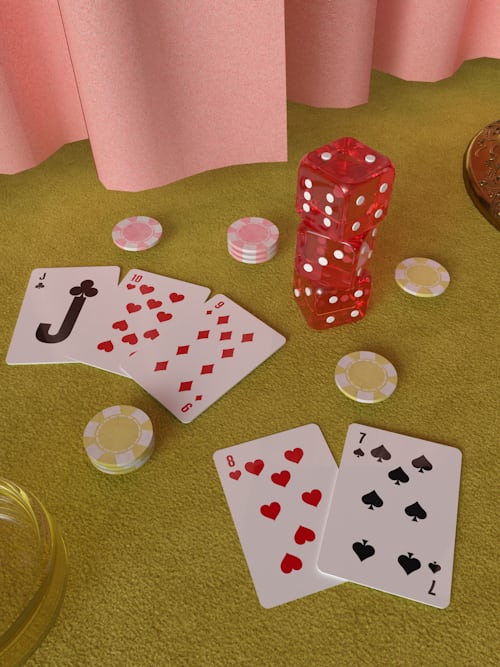
For many gamblers, engaging in these actions serves not only to boost their confidence but also to enhance the overall gaming experience. The psychological comfort derived from rituals can be significant, as players feel they are doing something to sway luck in their favor. However, it’s crucial to differentiate between personal meaning and actual influence on game outcomes.
Interestingly, while there is no scientific evidence to suggest that superstitions directly affect luck, they can impact a player’s mindset. A positive mindset fostered by engaging in rituals may enhance a player’s overall enjoyment and even improve their performance through increased focus. Thus, while luck itself may not be affected, the psychological effects of superstitions should not be overlooked in discussions about gambling outcomes.
Finding Balance Between Luck and Strategy
Balancing luck and strategy is essential for responsible gambling. While luck undeniably plays a significant role in determining casino outcomes, incorporating strategic approaches can enhance the overall experience and potentially lead to better results. Players who understand the mechanics of the games they are playing can make more informed decisions, helping to maximize their chances of winning while minimizing losses.
Utilizing strategies tailored to specific games can significantly impact outcomes. For instance, in blackjack, knowing when to hit or stand based on probability can greatly increase a player’s chances of success. Similarly, understanding betting systems in games like roulette can guide decision-making in a way that aligns with individual risk tolerance. While luck remains a factor, employing strategy can help channel that luck more effectively.
Ultimately, responsible gambling involves recognizing that while luck may influence outcomes, the player holds the power to make informed decisions. By understanding both the role of luck and the importance of strategy, players can approach gambling with a balanced perspective, allowing for a more enjoyable and potentially rewarding experience. As with any form of entertainment, moderation and awareness can lead to a healthier relationship with gambling.